





The Power of Color: How Color Choice Affects Your Child
Color is omnipresent in our lives, but its influence on children's emotional and mental state is often underestimated. From the fresh hues in their toys to the soft shades of their bedroom, the colors around us can have powerful effects on how we feel. In this article, we explore the impact of color choice on your child's mood and provide some practical tips on how to apply this knowledge in their environment.
Color and Emotion: The Basics
Color has the unique ability to influence our emotions. This is especially true for children, who are still in the phase of learning to understand their emotions and reactions to the world around them. Research shows that certain colors can evoke specific emotional responses. Here are some examples:
- Red: Often associated with energy and excitement, it can also evoke feelings of frustration or anger.
- Blue: This is a calming color often associated with peace and clarity. It can provide a sense of security and stability.
- Yellow: Considered a cheerful color, yellow can lift a child's mood and give them a sense of enthusiasm.
- Green: This color is often linked to nature and growth. It can promote a sense of harmony and balance.
- Pure white: Is often seen as a clean, fresh color. However, too much white can evoke feelings of emptiness or coldness in children.
The Role of Color in Children's Coloring Books
Children's coloring books are a great way to stimulate their creativity, but they also offer a unique opportunity to explore the impact of color on your child's state of mind. When children choose colors for their drawings, it often reflects their current emotions and desires.
Colors and Self-Expression
By working with different colors in coloring books, children not only learn about colors, but also about self-expression. A child who often chooses dark colors may feel gloomy, while a child who chooses bright, vibrant colors may experience happiness and joy. It is important to observe the choice of colors and discuss them with your child.
Color Choice as a Communication Tool
Color choice can also serve as a means of communication between you and your child. When you encourage them to use their favorite colors in their art or environment, you create an open dialog. This can help them to express their feelings more easily and gain a better understanding of their emotions.
The Influence of Color on the Sleep Environment
Your child's bedroom is not just a place to sleep; it's also an environment that can influence their mental health. The colors on the walls, the bedding, and even the decorations play an important role in how well your child can relax and the quality of their sleep.
Color and Sleep
Scientific research has shown that certain colors can affect sleep quality. Blue and green are often recommended for bedrooms because they are soothing and have a calming effect. In contrast, avoid bright colors like red or orange, which stimulate energy and excitement, as they can make it harder for your child to fall asleep.
Color Choices in the Newborn Outlet
When you are looking for items for your newborn's bedroom, it is important to keep in mind how color choice can affect them. A baby responds to colors, although their vision is limited at first. Creating a calm and inviting space with pleasant colors can contribute to their development and mood.
Pastel Colors and Their Effect on Newborns
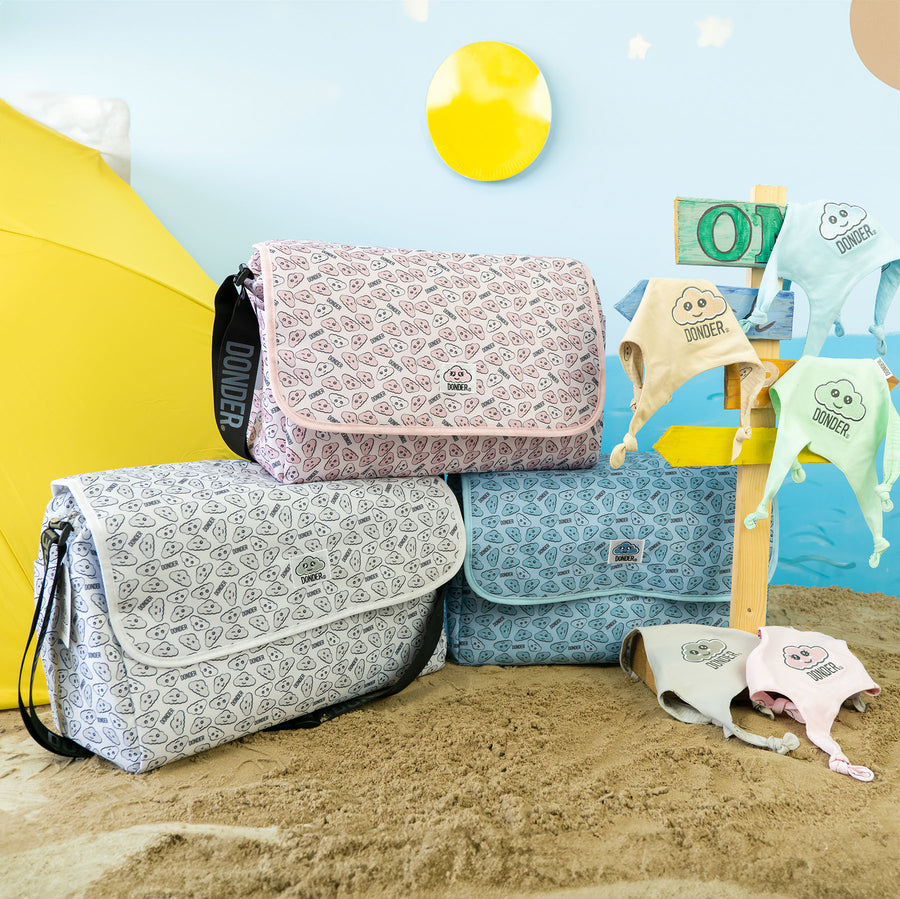
Pastel colors such as light blue, soft pink, and mint green are often recommended for baby rooms. These colors are not only attractive, but they can also contribute to a sense of calm and security, which is important in a child's early life stage.
Tips for Color Choice in Your Child's Environment
There are several ways you can manipulate the colors in your child's environment to positively influence their mood. Here are some useful tips:
- Use color playfully: Encourage your child to use color in art projects, such as crafts or painting.
- Create a peaceful sleeping area: Choose colors that radiate peace and calm for the bedroom, such as blue or green.
- Vary colors in different rooms: Use livelier colors in play areas and more neutral colors in other parts of the house.
- Be alert to reactions: Observe how your child reacts to different colors and talk to them about their preferences.
- Color together: Make coloring together with children's coloring books a fun activity, encouraging them to express their emotions through the colors they choose.
The Link Between Color and Creativity
Color choice can not only influence children's mood, but it also plays a crucial role in their creativity. Children have a wonderful imagination, and colors help them express this creativity.
Color and Imagination
By using different colors in their art and games, children can create stories, express emotions, and explore the world around them. This can lead to a better development of their cognitive skills and a stronger sense of identity.
Stimulate Creativity with Color
Encourage your children to express their creativity by providing children's coloring books and other arts and crafts projects. By providing a range of colors, you give them the space to use their imagination and express their emotions. This not only promotes their creativity but also helps develop fine motor skills and hand-eye coordination.
Final Word: Color as a State of Mind
The choice of colors has a profound impact on your child's mood, and it is important to understand this influence. Whether it's decorating a bedroom, choosing children's coloring books, or adapting their environment, every detail counts. By being aware of how colors can influence your child's emotions, you can create a positive and stimulating environment that helps them grow up with a healthy sense of self-confidence and creativity. Start exploring colors today and see the magic they can bring into your child's life.


Leave a comment